
Silicone Leather: Redefining Hygiene with Antibacterial and Anti-Mold Excellence
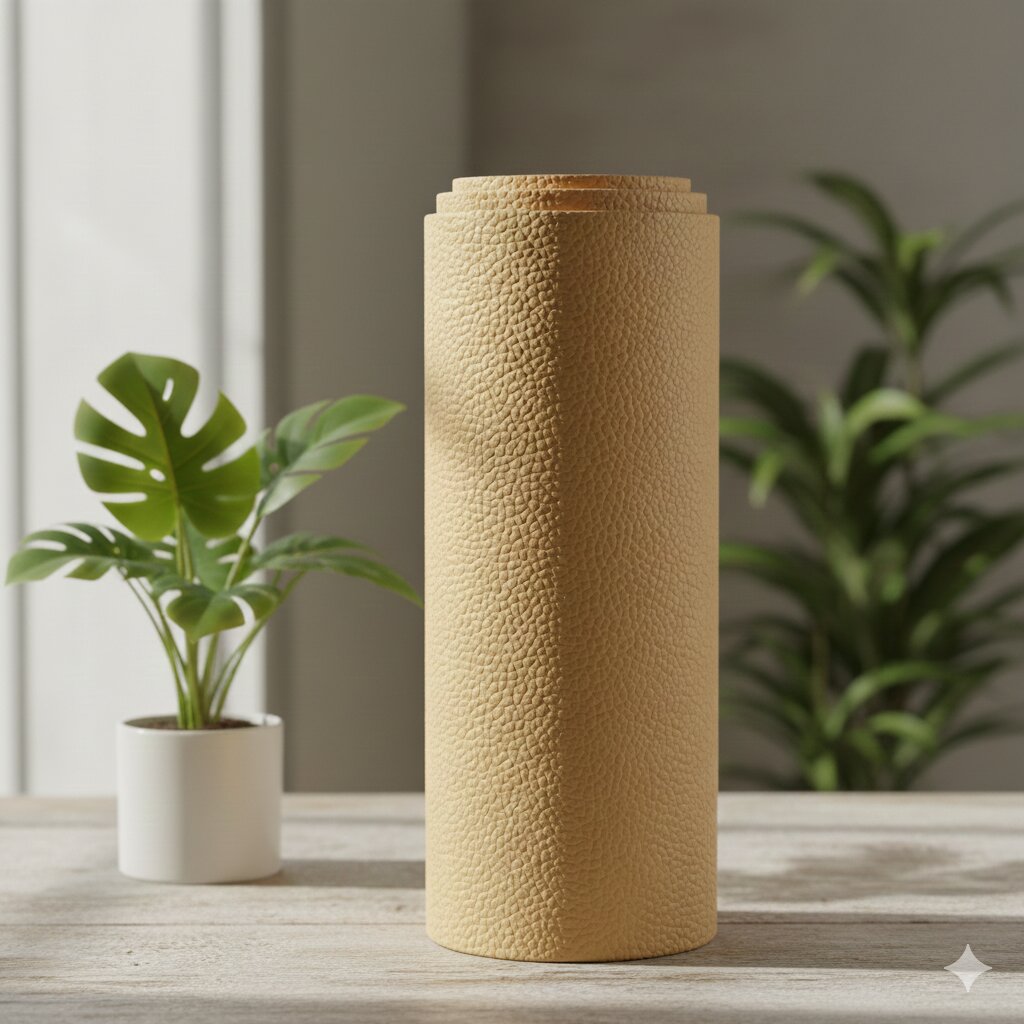
In today’s world, where health, safety, and environmental sustainability are paramount, the choice of materials significantly impacts our quality of life. Silicone leather, a groundbreaking innovation in synthetic materials, is setting new standards for hygiene. With its inherent antibacterial and anti-mold properties, it offers a superior solution for a wide range of industries seeking cleaner, safer environments.
1. The Science Behind the Protection
The exceptional resistance of silicone leather to microbes is not just a surface treatment; it is rooted in its fundamental chemistry and construction:
-
Inert Molecular Structure: Silicone is an inorganic, inert material. Unlike traditional PVC or PU leather, it does not contain plasticizers or organic nutrients that bacteria and fungi use as food sources.
-
Non-Porous Barrier: The surface of silicone leather is incredibly dense and hydrophobic (water-repellent). This prevents moisture and organic matter from penetrating the material, effectively “starving” microbes of the environment they need to thrive.
2. Key Advantages
Compared to genuine leather or traditional synthetics, silicone leather offers several distinct benefits:
-
Broad-Spectrum Protection: Highly effective against common pathogens such as E. coli and Staphylococcus aureus.
-
Mildew & Mold Resistance: Achieves top-tier ratings in mold resistance tests (e.g., Grade 0), preventing unsightly stains and musty odors even in humid conditions.
-
Lasting Durability: The antimicrobial effect is “built-in,” meaning it won’t wash away or diminish after repeated cleaning and disinfection.
-
Eco-Friendly & Safe: Free from harmful chemicals like phthalates, heavy metals, and formaldehyde, making it safe for prolonged skin contact.
3. Key Application Scenarios
The hygienic nature of silicone leather makes it the ideal choice for environments where cleanliness is critical.
A. Healthcare & Medical Facilities
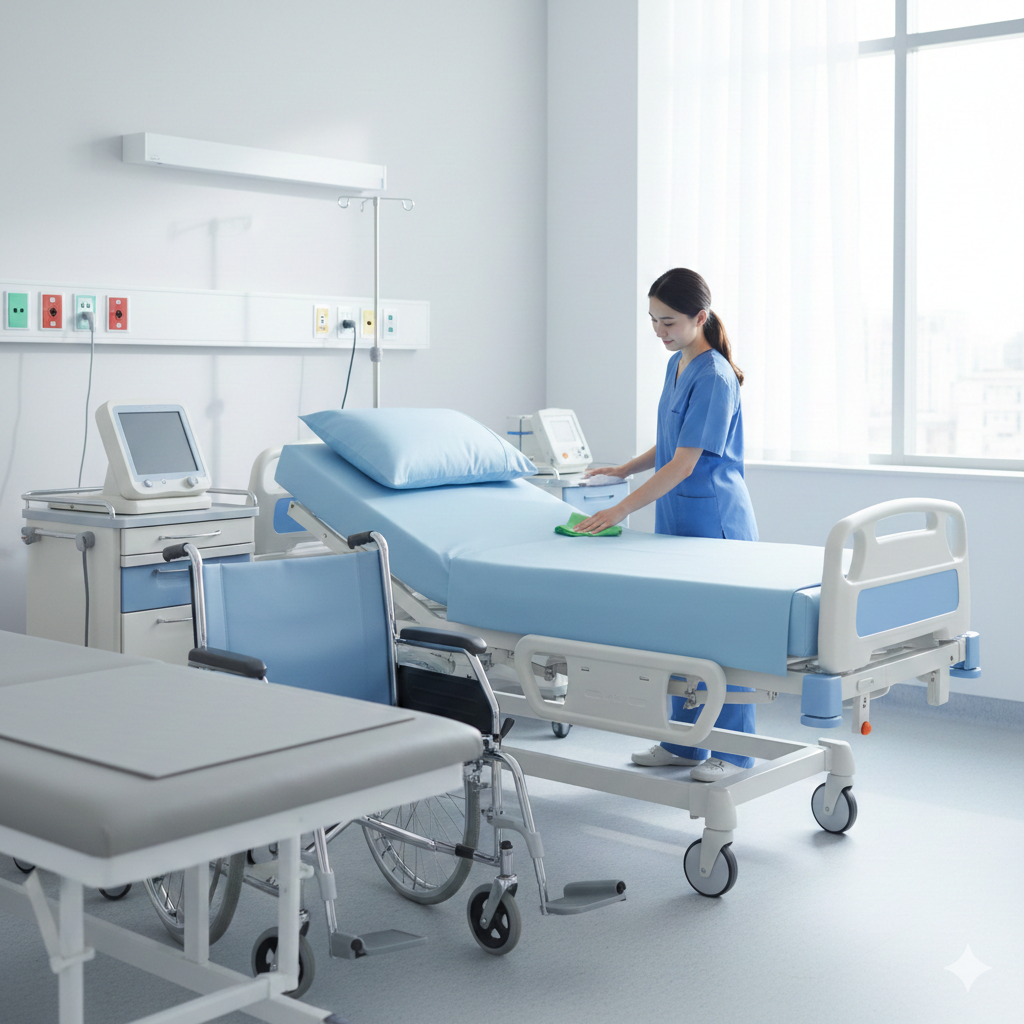
In hospitals and clinics, cross-contamination is a constant concern. Silicone leather is used for hospital beds, examination tables, dental chairs, and waiting room seating. Its ability to withstand harsh medical-grade disinfectants without degrading makes it invaluable.
B. Childcare and Senior Living
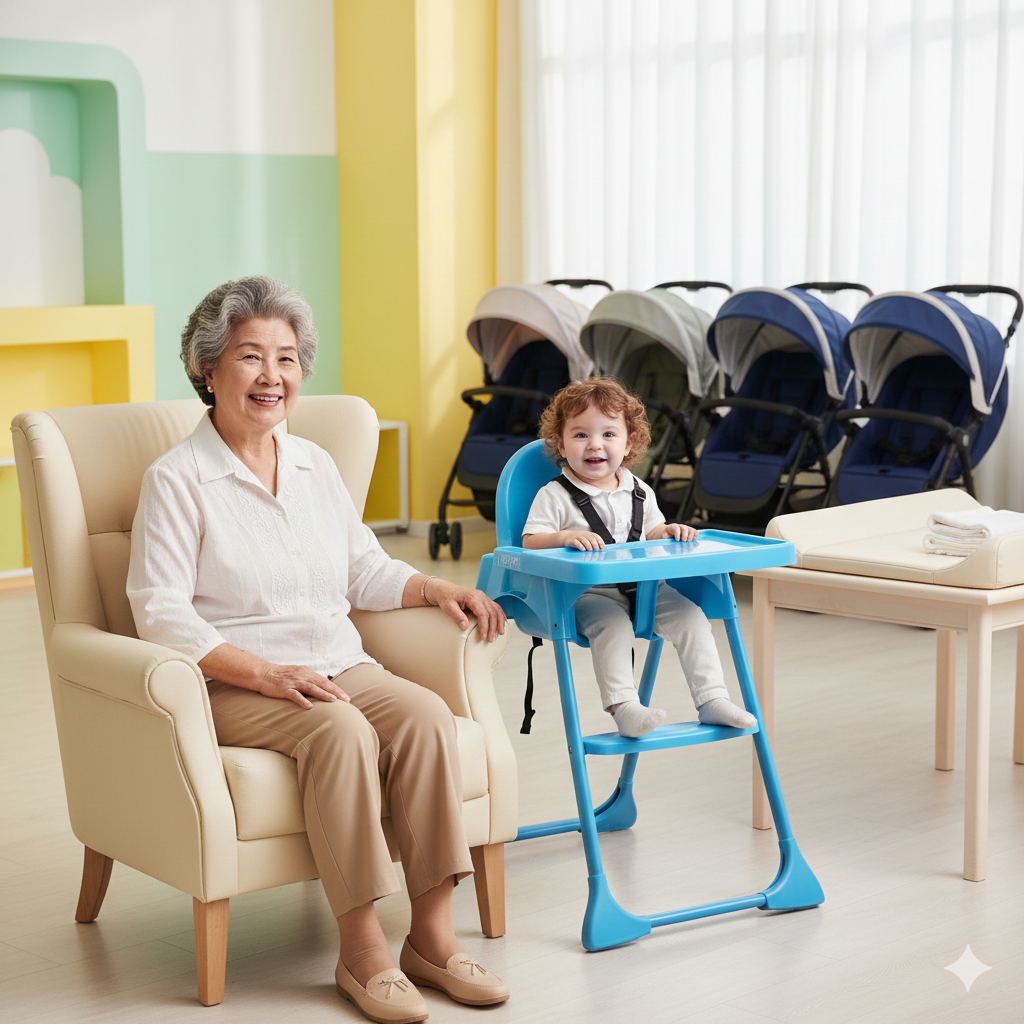
For the most vulnerable—infants and the elderly—purity is essential. Silicone leather is widely used in high chairs, strollers, play mats, and nursing home furniture. It provides a soft, skin-friendly touch that is easy to sanitize, ensuring a germ-free environment for those with sensitive immune systems.
C. Public Transport and Hospitality
From airplane seats to luxury hotel lounges, high-traffic areas require materials that can handle constant use while remaining sanitary. Silicone leather resists the buildup of sweat and bacteria, keeping public spaces fresher for longer.
Conclusion
Silicone leather is more than just a luxury alternative; it is a functional necessity for a health-conscious era. By combining the aesthetic appeal of traditional leather with unparalleled biological resistance, it ensures that our environments are not only beautiful but fundamentally safe.